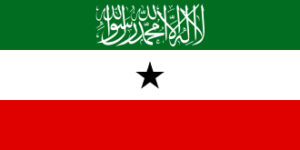
Unveiling Somaliland’s Historical Journey and Sovereignty
Explore Somaliland’s rich heritage and its evolution from Multiple Kingdoms of Sultanates, to a British Protectorate, to a proud, self-governing republic, emphasizing its enduring commitment to democracy and stability.
Somaliland has maintained a distinct and autonomous identity throughout much of its history. Historically, it was home to several influential sultanates and trading states, such as the Isaaq Sultanate and the Sultanate of Adal, which played significant roles in the region. Unlike southern Somalia, Somaliland experienced relatively less colonial disruption, being a British protectorate rather than part of the Colonial Italian Somaliland. Following the collapse of the Somali state in 1991, Somaliland declared independence and has since operated with its own government, institutions, and security forces, maintaining relative stability and self-governance despite lacking widespread international recognition.
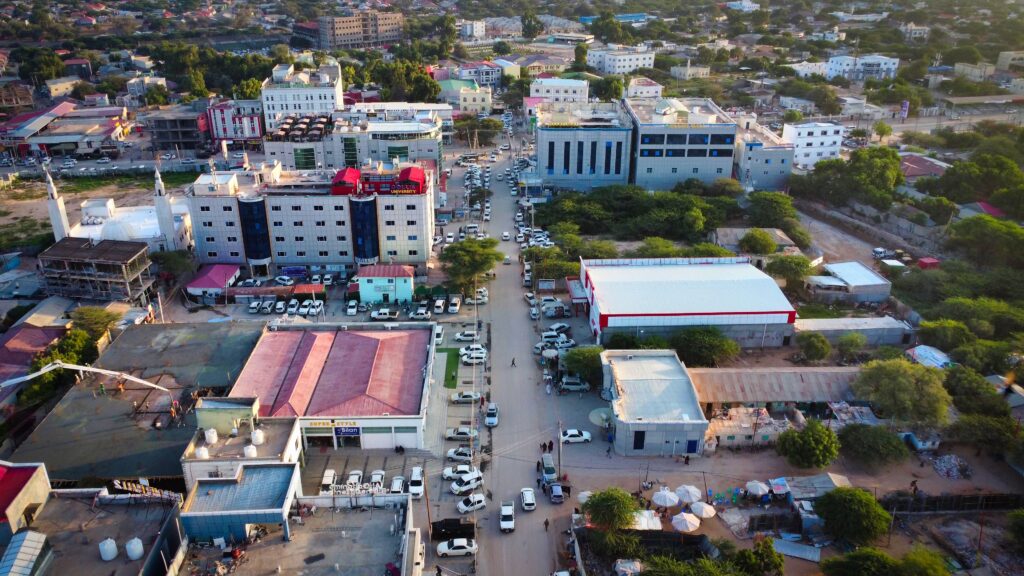
Comprehensive Insight into Somaliland’s History
Explore crucial milestones and historical data reflecting Somaliland’s journey to sovereignty and democratic governance.
1884 – 1960
Protectorate Era & Somaliland Independence
Somaliland’s period under British Protectorate laid the groundwork for its later pursuit of independence.
1960-1991
The Failed Union with Italian Somaliland
Unfair and unlawful union with Somalia; sovereignty lost to Mogadishu central authority.
1988
Somaliland Genocide
Bombing of Hargeisa, Burao, and other towns. Over 200,000 people killed, millions displaced; genocide-level atrocities.
Present
Democratic Stability for 35 years
Somaliland has maintained relative peace and democratic governance for over 35 years, demonstrating political resilience.
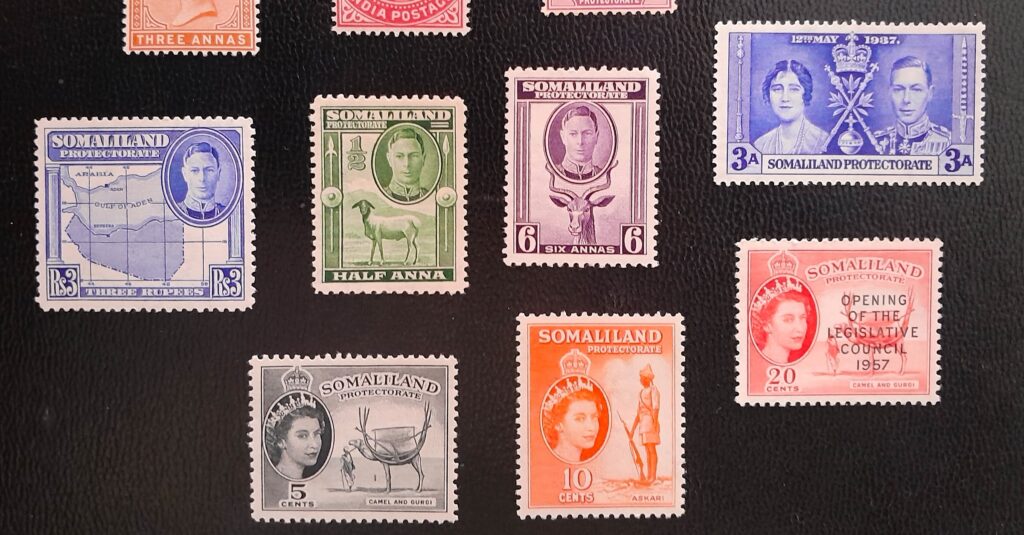
1884
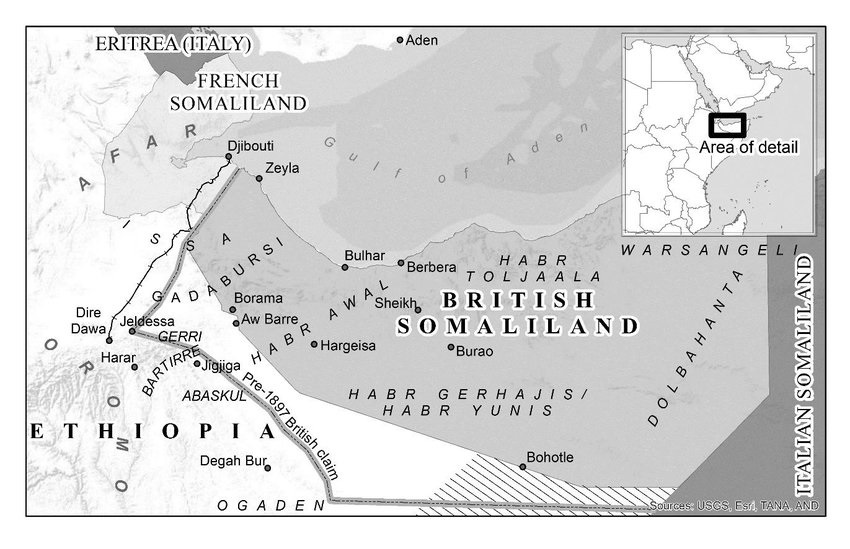
British Somaliland Protectorate Established
Northern Somali clans come under British treaties; Somaliland remains administratively and legally distinct from Italian Somaliland.
26 June 1960
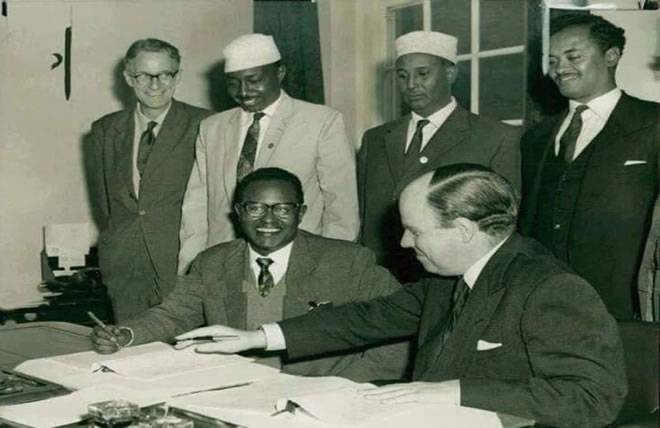
Independence Day
Somaliland attains full sovereignty as the State of Somaliland. It was recognized by over 33 countries, including Israel and the UK. The UN Security Council: Formal congratulations and bilateral treaties were signed by the UK, USA, USSR, France, Israel, and China
1 July 1960
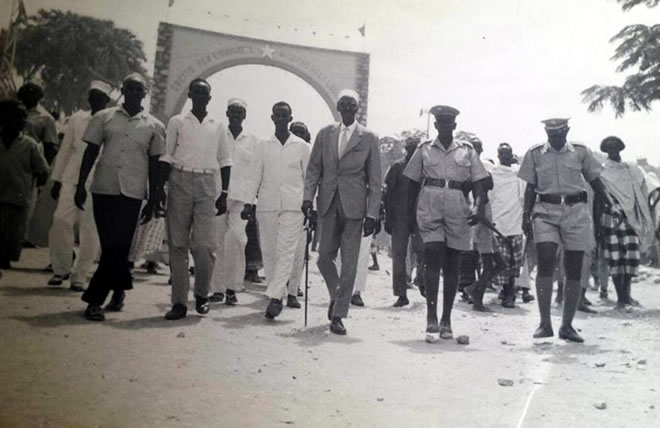
The Union with Italian Somaliland
An unfair and ultimately unlawful union; Somaliland’s sovereignty was gradually eroded by the central authority in Mogadishu. Somaliland elites attempted to reverse the union as early as 1961. Throughout the 60s, Somaliland faced systemic exclusion from national leadership.
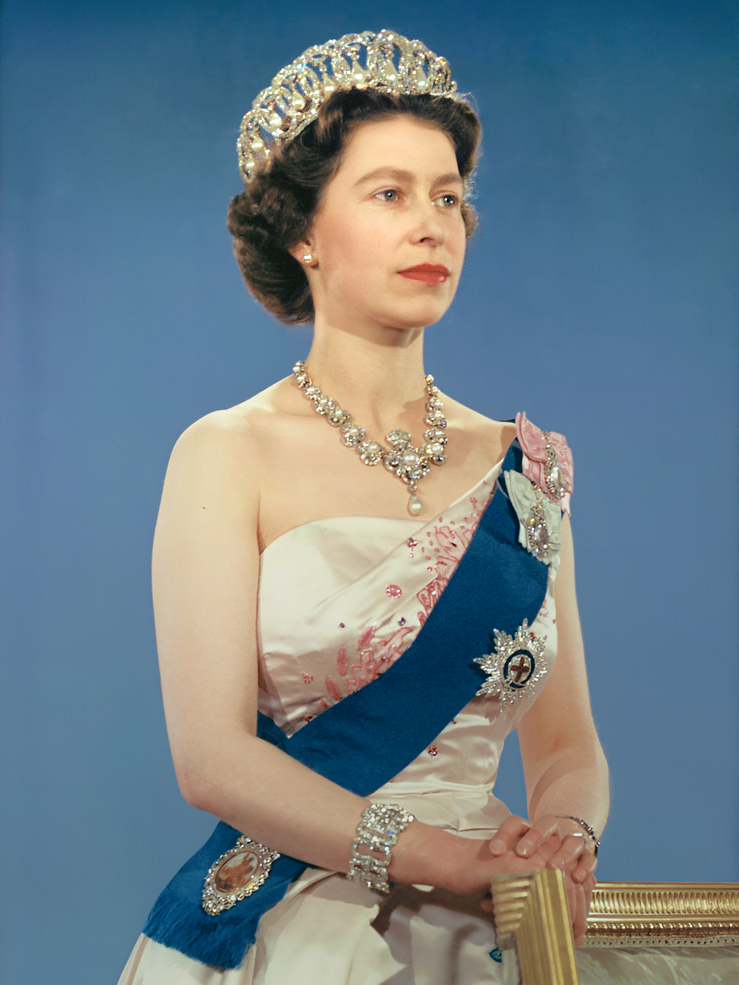
The Queen Elizabeth II Message for Somaliland Independence Day
A message from the Queen was delivered in Hargeisa by Mr. T. E. Bromley. On the occasion of Somaliland Independence Day. The Message said: “I, my Government and my people in the United Kingdom, wish you well on this day of independence. The connection between our people goes back some 130 years and the British administration of the Protectorate for 60 years. I look forward to a continuing and enduring friendship between our two countries.”
The History of Somaliland: A Legacy of Sovereignty
Somaliland’s journey is not one of a “breakaway region,” but rather the restoration of a sovereign state with deep historical roots. From British Protectorate status to modern democratic stability, our history proves our capacity for self-governance.
The Sovereignty Ledger
To understand Somaliland is to understand that for the vast majority of modern history, we have been a distinct political entity.
- Total Historical Timeline: ≈ 142 Years
- Years under Distinct Somaliland Control: ~111 Years
- Years without Distinct Control (The Union): ~31.6 Years
The Treaty Basis
Somaliland’s borders were established by international treaties in the late 19th century. Unlike many colonies, Northern Somali clans signed Protection Treaties with the British Crown between 1884 and 1886. These treaties recognized the clans as sovereign entities capable of entering international agreements—a status that remains the legal bedrock of our independence claim today.
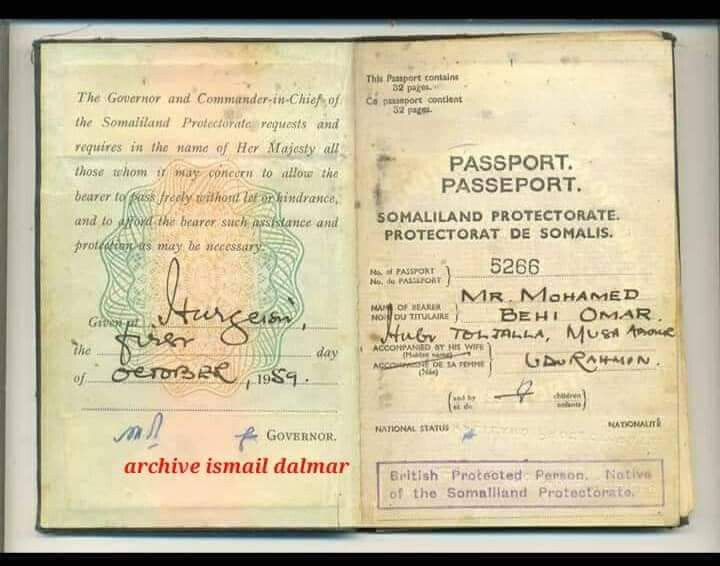
National Institutions: Currency, Passports, International Relations
Somaliland maintains all the functional hallmarks of a sovereign state:
- Currency: The Somaliland Shilling (Sl.Sh), managed by the Bank of Somaliland since 1994.
- Passports: Secure, biometric travel documents recognized for entry by several neighboring and international nations.
- Security: A professional, unified national army and police force that secures one of the most stable regions in the Horn of Africa.
- A permanent population (over 6 million people).
- A defined territory (the 1884 British Protectorate borders).
- A government (multi-party democracy with peaceful transfers of power).
- Capacity to enter into relations with other states (MoUs with Ethiopia, Taiwan, and the UAE).
Somaliland Facts
- Government type: Presidential constitutional republic
- Legislature: Bicameral Parliament consisting of
- • House of Elders (Guurti) — Upper House
- • House of Representatives — Lower House
- Official language: Somali
- Secondary languages: Arabic and English
- Capital: Hargeisa
- Main cities: Hargeisa, Berbera, Burco, Borama, Erigavo, Las Anod, Gabiley, Sheikh, Buhotle,
- National anthem: Samo Ku Waar (“Long Live With Peace”)
- Population: Approximately 6.2 million (2024–2026 estimates)
- GDP (nominal): Approximately 4.3 billion USD
- GDP per capita: Approximately 900 USD
- Currency: Somaliland shilling (SLS)
- Area: Approximately 137,600 km²
- Religion: Islam
- Time zone: East Africa Time (UTC +3)
- International calling code: +252 (shared with Somalia, however Somaliland registered it first)
- Driving side: Right
Leadership of the Republic of Somaliland
An informative overview of Somaliland’s path from protectorate to functioning democracy.
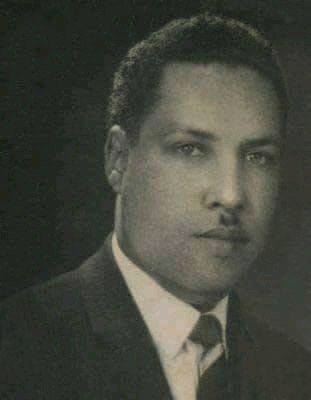
Abdirahman Ahmed Ali Tuur (1991–1993)
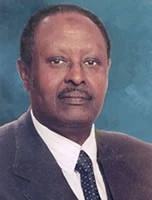
Mohamed Haji Ibrahim Egal (1993–2002)
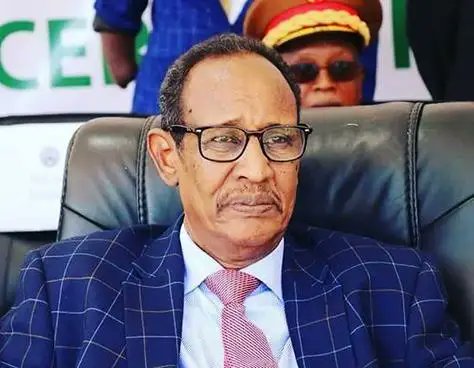
Dahir Riyale Kahin (2002–2010)
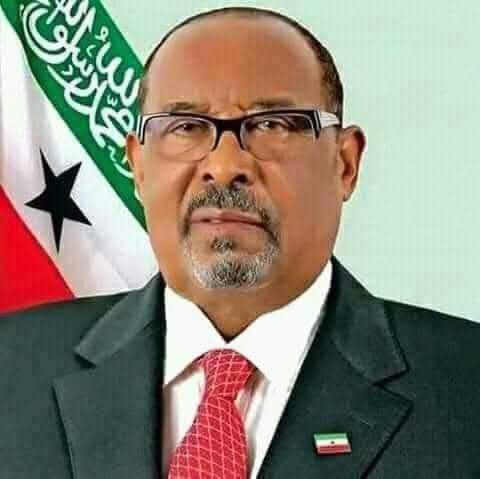
Ahmed Mohamed Silanyo (2010–2017)
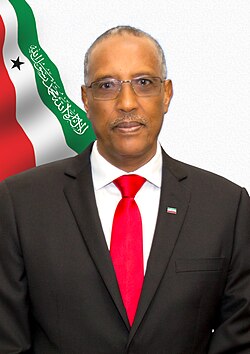
Muse Bihi Abdi (2017–2024)
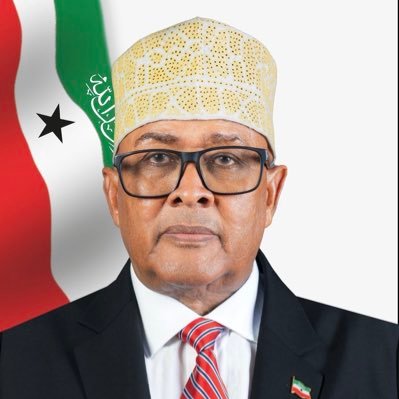
Abdirahman Mohamed Irro (2024–Present)